Beginner's Guide to Starting a Vegetable Garden
Growing your own vegetable garden can be a rewarding experience, providing you with fresh produce right in your backyard. For those new to vegetable gardening, getting started can seem daunting, but with the right guidance, anyone can become a successful gardener.

Starting a vegetable garden requires some basic knowledge and preparation. You'll need to choose the right location, prepare the soil, and select the vegetables you want to grow. This guide will walk you through the process, covering the essential steps and tips for a successful harvest.
Key Takeaways
- Understand the benefits of vegetable gardening
- Learn how to choose the right location for your garden
- Discover the essential tools and materials needed
- Get tips on preparing the soil for planting
- Find out how to select the best vegetables for your climate
- Understand the importance of proper watering and maintenance
Click here, How To Transform A Typical Money-Draining House Into A Tiny Profitable Off-The-Grid Homestead
Planning Your First Vegetable Garden
A well-planned vegetable garden is the key to a successful and enjoyable gardening experience. Planning your garden involves several crucial steps that will help you avoid common mistakes and ensure a bountiful harvest.
Choosing the Perfect Location and Sunlight Requirements
When selecting a location for your vegetable garden, it's essential to consider the amount of sunlight it receives. Most vegetables require at least 6 hours of direct sunlight per day. Choose a spot that gets plenty of sunlight to promote healthy growth and fruit production.
Additionally, consider the accessibility of the location. Your garden should be close enough to a water source to make maintenance easier. Ensure the area is also relatively flat to prevent water from accumulating in certain spots, which can lead to root rot and other issues.
https://www.youtube.com/watch?v=NlS_dTDsHHQ
Determining Garden Size and Layout
The size of your garden will depend on the space available and the amount of time you can dedicate to its maintenance. For beginners, starting with a small garden is advisable. A small, well-managed garden is more productive and less overwhelming than a large, neglected one.
When planning the layout, consider the mature size of the plants and leave enough space between them for easy access and air circulation. A well-planned layout will also help in reducing the risk of diseases spreading among the plants.
| Vegetable | Spacing | Sunlight Requirement |
|---|---|---|
| Tomatoes | 2-3 feet | 6+ hours |
| Cucumbers | 1-2 feet | 6+ hours |
| Carrots | 1-2 inches | 4-6 hours |
Click here, How To Transform A Typical Money-Draining House Into A Tiny Profitable Off-The-Grid Homestead
Essential Tools and Supplies for Beginners
To get started, you'll need some basic gardening tools and supplies. These include a garden fork, trowel, watering can or hose, and seeds. Investing in good quality tools will make the gardening process more enjoyable and efficient.
Other essential supplies include a gardening kneeler or mat for comfort while working in the garden, and supports for plants like tomatoes and peas. Don't forget to have a gardening journal to record your progress and note any challenges you encounter.
A Beginner's Guide to Starting a Vegetable Garden: Step-by-Step Process
The journey to a thriving vegetable garden starts with understanding the basics and applying them in a step-by-step manner. For beginners, this involves several key steps that ensure a successful gardening experience.
Selecting Easy-to-Grow Vegetables for First-Time Gardeners
Choosing the right vegetables is crucial for a successful harvest. Beginners should start with vegetables that are easy to grow and require minimal maintenance. Some of the best options include:
- Tomatoes: One of the most popular garden vegetables, tomatoes are relatively easy to care for and produce a high yield.
- Lettuce and Other Leafy Greens: Lettuce, spinach, and kale are simple to grow and can be harvested in as little as 20 days.
- Radishes: Radishes mature quickly and can be grown in containers or directly in the ground.
- Carrots: While they require a bit more care, carrots are a rewarding crop for beginners.
- Green Beans: Green beans are easy to grow and can be supported with a simple trellis or cage.
These vegetables are perfect for gardening for beginners because they are forgiving and provide a good yield with basic care.
Soil Preparation and Planting Techniques
Preparing the soil is a critical step in vegetable gardening tips. The soil should be well-draining and rich in organic matter. To achieve this, mix in compost or well-rotted manure to improve soil structure and fertility.
When it comes to planting, make sure to follow the specific spacing instructions on the seed packet or seedling label. Proper spacing ensures good air circulation, which can help prevent diseases.
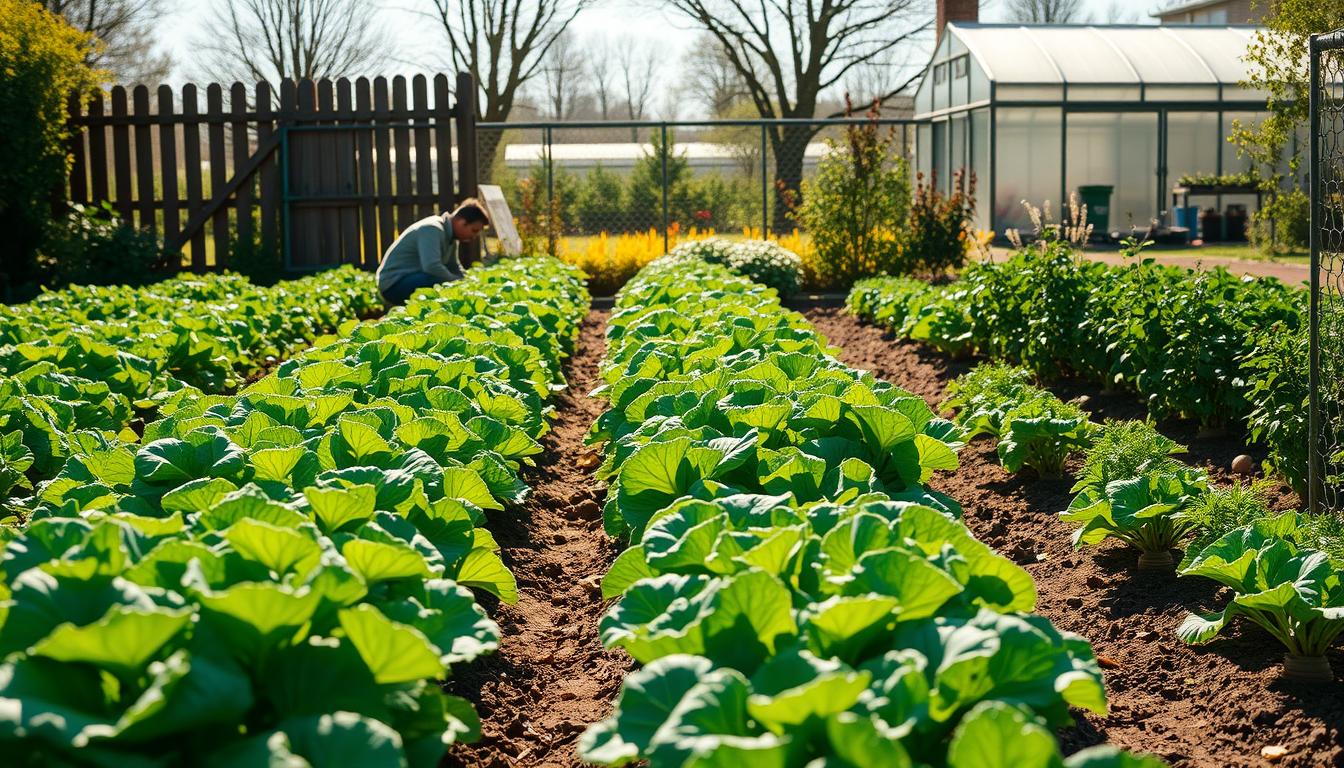
Watering, Weeding, and Pest Management
Ongoing care is essential for a healthy and productive garden. Watering should be done deeply but infrequently to encourage deep root growth. It's also crucial to weed regularly to prevent competition for water and nutrients.
Pest management involves monitoring your garden regularly for signs of pests or diseases. Use organic methods whenever possible, such as hand-picking pests, using neem oil, or applying other natural pest control methods.
- Check your garden regularly for pests and diseases.
- Use organic pest control methods whenever possible.
- Keep your garden clean to prevent the spread of disease.
Conclusion
Starting a vegetable garden can be a rewarding experience, providing fresh produce and a sense of accomplishment. By following the steps outlined in this beginner's gardening guide, you can create a thriving garden that meets your needs.
Remember to choose the right location, prepare your soil, and select easy-to-grow vegetables. With proper care and maintenance, your garden will flourish, and you'll be enjoying the fruits of your labor in no time. Whether you're looking to improve your health, save money, or simply enjoy the outdoors, starting a vegetable garden is a great way to achieve your goals.
So, take the first step today and start planning your vegetable garden. With this beginner's gardening guide, you have the knowledge and confidence to succeed. Happy gardening!


No comments:
Post a Comment